Abstract
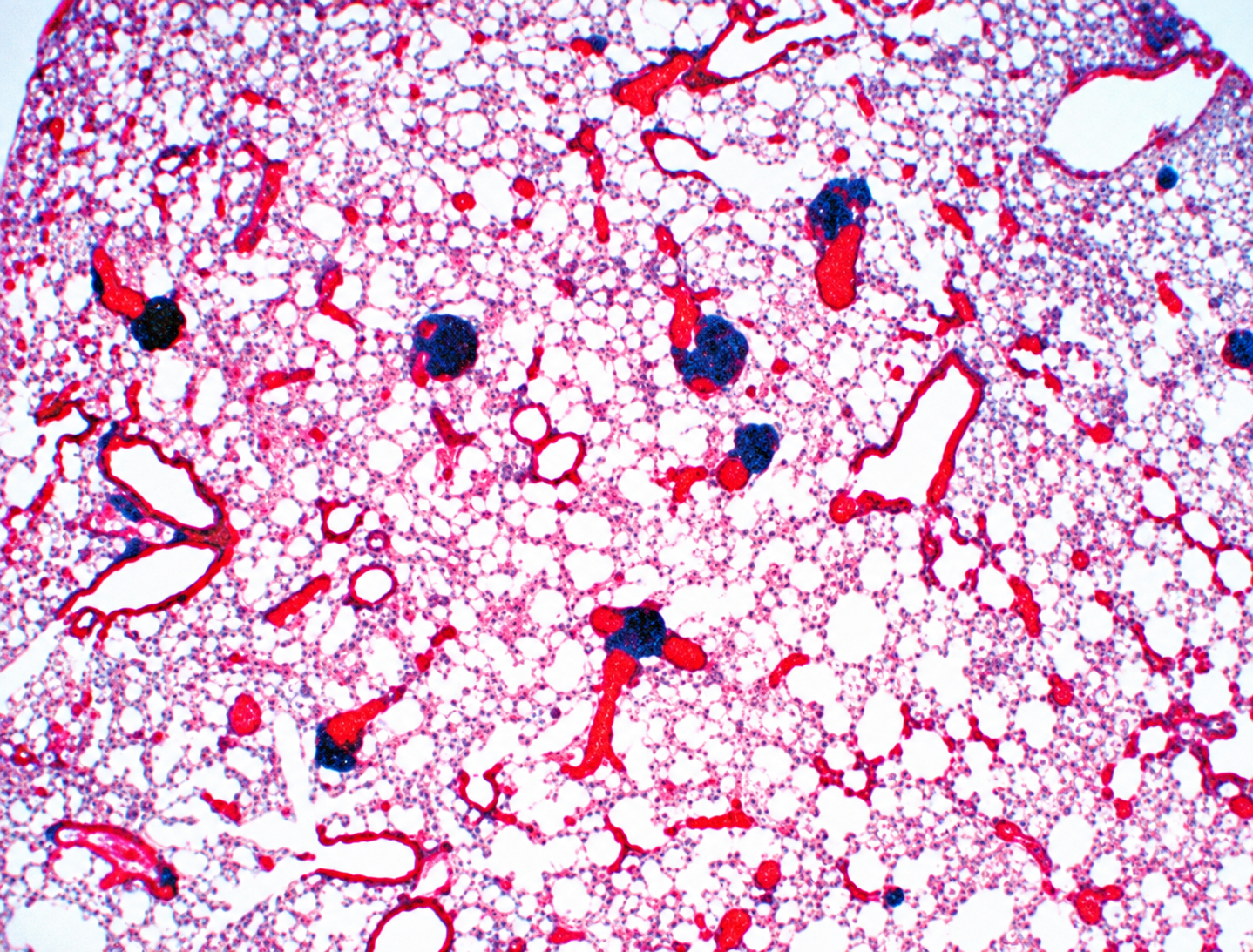
Pulmonary lymphocytosis is a common feature of chronic lung disease, but the mechanisms governing lymphocyte accumulation within the lung remain poorly understood. Here, we identify granulocyte-macrophage colony-stimulating factor (GM-CSF) as a central regulator of pulmonary lymphocyte homeostasis. Using genetic models, single-nucleus and spatial transcriptomics, cell trafficking analyses, and pulmonary macrophage replacement studies, we show that loss of GM-CSF signaling causes profound pulmonary lymphocytosis characterized by lymphoid follicle formation, local immunoglobulin production, and expansion of multiple lymphocyte lineages. Mechanistically, GM-CSF signaling deficiency blocks terminal alveolar macrophage differentiation and reprograms alveolar macrophages into inflammatory states marked by reduced PU.1 and PPARγ expression, enhanced NF-κB signaling, and expression of lymphocyte-recruiting chemokines. These changes promote lymphocyte recruitment, local proliferation, and lymphoid lineage commitment. Restoration of GM-CSF-responsive alveolar macrophages re-established macrophage identity, suppressed inflammatory chemokine programs, and reversed pulmonary lymphocytosis. Together, these findings identify alveolar macrophages as gatekeepers of adaptive immune homeostasis in the lung.
One Sentence Summary:
This study demonstrates that GM-CSF signaling maintains immune balance in the lungs by regulating alveolar macrophage development and function, preventing excessive lymphocyte accumulation and inflammation that can contribute to chronic lung disease.
# equal contribution ** corresponding author